Smart Fueling—The Role of Healthy Fats and Lean Proteins
For decades, dietary advice regarding fats and proteins was confusing and often contradictory. Fats were vilified, leading to a “low-fat” craze that ironically increased consumption of refined carbohydrates and sugar. Proteins, meanwhile, were sometimes narrowly associated only with muscle building. Today, we have a nuanced understanding: these two macronutrients are essential pillars of health, and the secret lies in prioritizing quality over elimination. Smart fueling is about choosing the right types of fats and proteins to support structural integrity, hormone balance, and sustained energy.
Healthy Fats: The Essential Misunderstood Nutrient
The narrative that “all fat is bad” is functionally extinct in modern nutritional science. Fats are not optional; they are critical for absorbing fat-soluble vitamins (A, D, E, and K), insulating organs, and maintaining cellular membrane integrity. The brain itself is nearly 60 percent fat. The real distinction is between beneficial fats and those that cause harm.
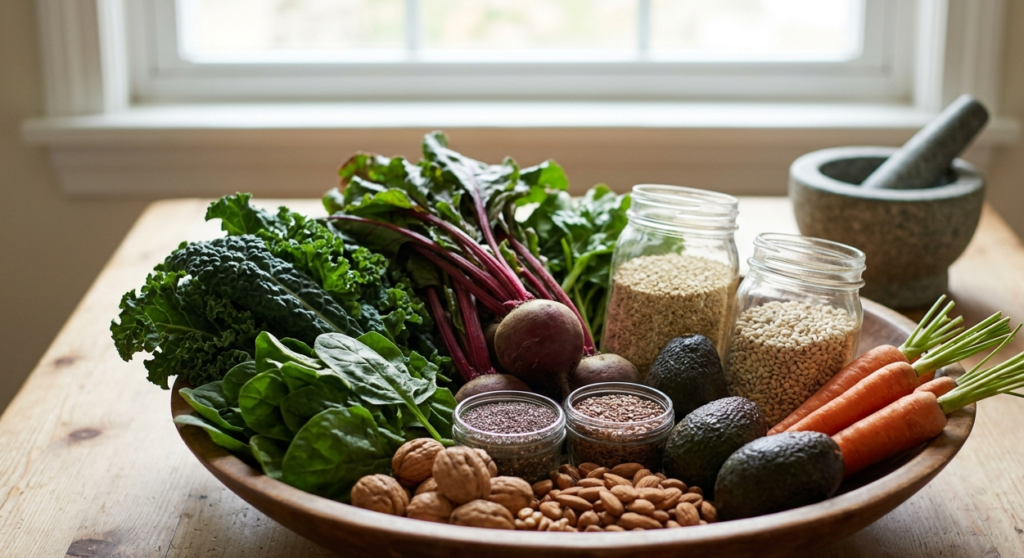
- Monounsaturated and Polyunsaturated Fats: These are the “healthy fats” found predominantly in plant foods and seafood. They include omega-3 and omega-6 fatty acids. When used to replace saturated fats, they are known to improve cholesterol levels and reduce inflammation. Key sources include extra virgin olive oil, avocados, nuts (especially walnuts and almonds), seeds (chia, flax, hemp), and fatty fish (like salmon, sardines, and mackerel).
- Saturated Fats: Found mostly in animal products and tropical oils. While not strictly harmful in moderation for everyone, high intake is still linked to elevated LDL cholesterol for many. The best advice is to moderate intake (e.g., in full-fat dairy, red meat).
- Trans Fats: These are industrially processed (hydrogenated) fats, often found in fried foods and packaged baked goods. They have zero nutritional benefit and are significantly associated with heart disease. They should be minimized or eliminated.
Lean Proteins: Building Blocks for Total Health
Protein provides the essential amino acids required for nearly every structure and function in the body. Beyond muscle repair, protein is the foundation of enzymes, hormones, and immune system antibodies. It also plays a powerful role in appetite regulation, as it increases satiety (the feeling of fullness) more effectively than fats or carbohydrates.
When selecting protein, focus on “lean” sources, which have minimal saturated fat:
- Animal Proteins: Poultry (without skin), eggs, and seafood (which doubles as a healthy fat source). Greek yogurt and cottage cheese provide high protein with minimal fat.
- Plant Proteins: Legumes (beans, lentils, chickpeas) are superstars, packed with both protein and fiber. Tofu and tempeh are excellent soy-based options. Quinoa is a unique plant source containing all essential amino acids.
By incorporating both a source of lean protein and healthy fat into your meals, you ensure slow, steady energy release and provide your body with the fundamental materials it needs for resilience and regeneration.
Dinner Is Wrecking Your Weight Loss. Here’s How to Fix It in 30 Minutes.
Get 35 fast, balanced weight-loss dinners (all ready in 30 minutes or less) — plus a 7-day dinner plan, grocery list, and cooking time chart — so you can protect your evenings without extreme dieting or willpower.

Enter your email and I’ll send you the free dinner guide instantly.